

The Power of Fluoride
Discover how this tiny mineral plays a big role in keeping your teeth strong, healthy, and cavity-free.


What is Fluoride?
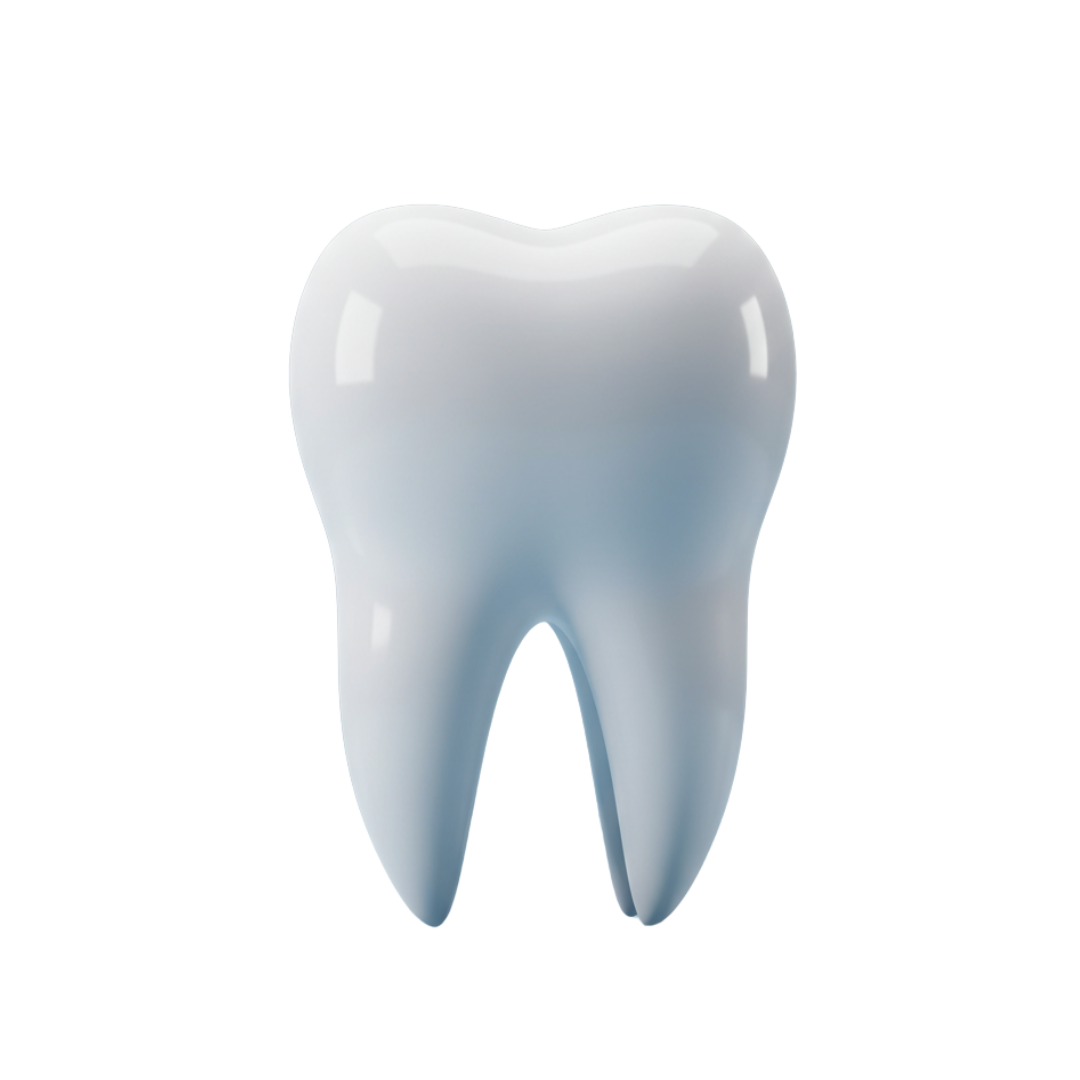
Fluoride is a naturally occurring mineral. It is found in small amounts in soil, rocks, water and some foods, and it is the active ingredient in most toothpastes. For your teeth, its job is simple: it helps the outer layer, called enamel, stay strong.
Every day, the bacteria in your mouth feed on sugars from food and drinks and produce acids. Those acids slowly draw minerals out of the enamel. Saliva works to put minerals back. When the balance tips too far towards mineral loss, weak spots form and, over time, these can become cavities.
Fluoride helps on the repair side of that balance. When it is present in your mouth, it helps enamel take minerals back up and makes the surface more resistant to acid. It can even help very early weak spots harden again before they turn into holes.

Nutritional Examples
Small amounts of fluoride occur naturally in some foods and drinks, including tea, some seafood, and food or drinks prepared with water that contains fluoride. The amount varies a lot depending on where the food comes from and how it is prepared, so diet on its own is not a reliable way to protect your teeth.
For most people, fluoride toothpaste is the most important everyday source. What you eat still matters, though. These habits support the work fluoride does:
- Keep sugary foods and drinks to mealtimes rather than sipping or snacking on them throughout the day.
- Choose water between meals.
- Include foods such as vegetables, dairy or fortified alternatives, and crunchy fresh produce as part of a balanced diet.
How powerful is Fluoride?
Decades of research support the use of fluoride toothpaste to help prevent tooth decay. It cannot repair a cavity that has already formed, but it is one of the simplest ways to lower your risk. A few habits help you get the most from it:
- Brush twice a day for about two minutes with a fluoride toothpaste.
- After brushing, spit out the toothpaste instead of rinsing with lots of water, so some fluoride stays on your teeth.
- For children, use only a smear of toothpaste for under-threes and a pea-sized amount from about age three, and supervise brushing. Swallowing too much fluoride while teeth are forming can cause faint marks on the enamel, called fluorosis.
- Store toothpaste out of young children’s reach.
Your dentist may also suggest extra protection, such as a fluoride varnish painted onto the teeth, depending on your needs.
Conclusion
Fluoride is a small mineral with a big role in keeping enamel strong. Brushing twice a day with a fluoride toothpaste, keeping sugar to mealtimes and having regular check-ups work together to protect your smile. If you have questions about fluoride for you or your child, our team at POD Clinics is happy to help. Call +234 707 333 2265 or email podclinics@gmail.com.